TfL ends year with £255 million passenger income shortfall
A report before a Transport for London meeting next week includes details of the organisation’s shortfall in fare revenue over the last financial year.
Fare revenue was £255 million less than budgeted according to the report before the Audit and Assurance Committee, though the overall shortfall fell to £188 million when factoring in higher road user charging income of £106m.
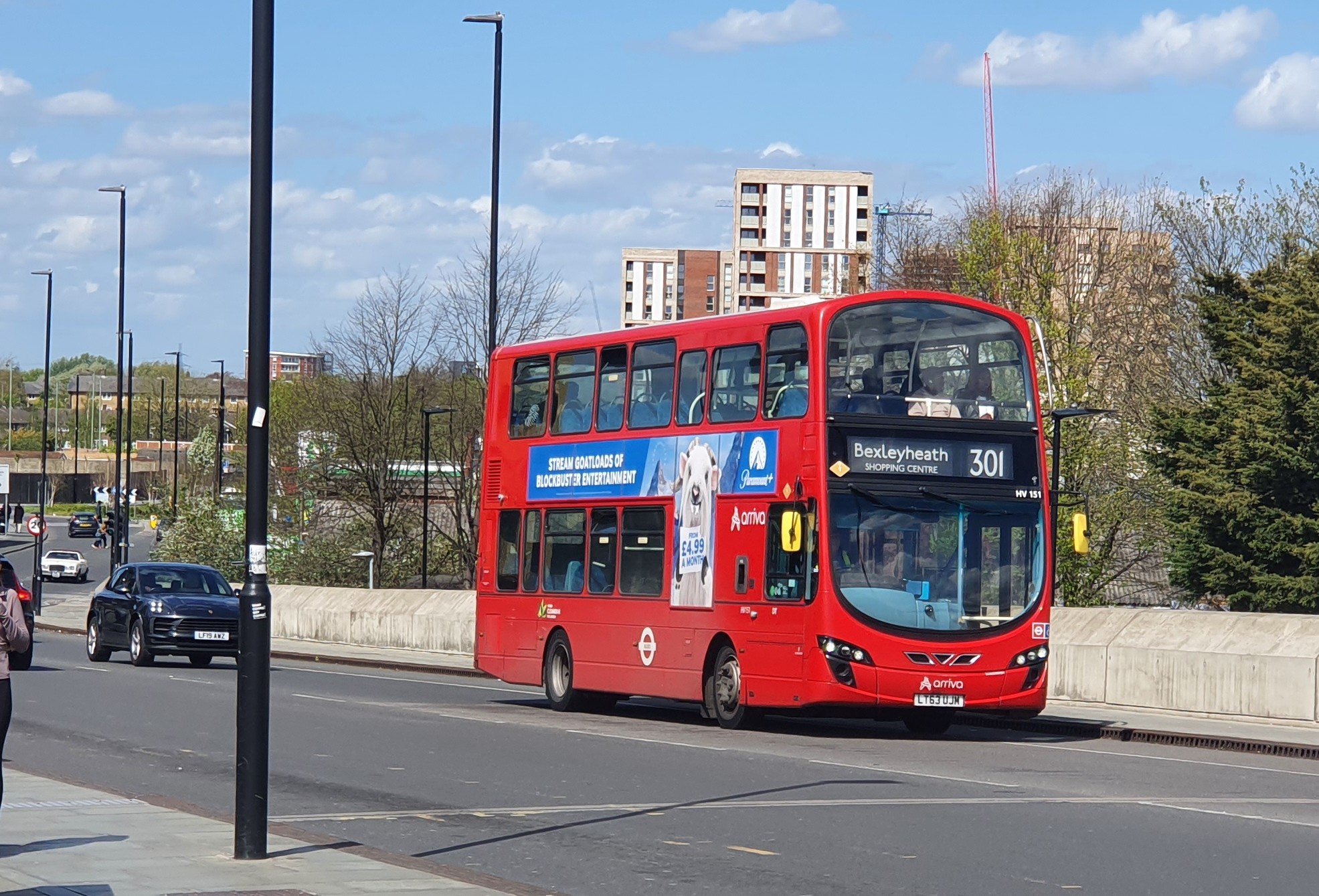
TfL had budgeted for journey growth of six per cent but actually saw just 0.9%. Whilst the Elizabeth line has performed extremely well, the DLR has struggled due to extensive weekend closures and bus use is stagnant.
Meanwhile operating costs have reduced: “Total operating costs are £7,913m in 2024/25 and are £169m lower than Budget.

“This is mainly from £226m savings from lower employer pension contributions, contingency which was held to manage against risks (including the risks to passenger demand growth) which have been partly offset by higher road user charging bad debt and bus retender cost pressures.”
DLR problems
Not mentioned in this report but included previously explaining some cost pressures on TfL was additional expenditure due to delayed new DLR train introduction.
TfL have paid additional costs to manufacturer CAF to store trains in Spain whilst ongoing weekly closures of the network harm fare income. A report six months ago before the Programmes and Investment Committee highlighted those extra costs.
The trains should have been introduced in the 2023/24 financial year but are still yet to run in passenger service.

TfL have been extremely coy on exactly what the cause of delays is. During testing one train overshot its stop point. Signal issues and compatibility problems between new stock and the existing system are also believed to play a part.
TfL still state publicly that new trains will enter service in 2025 which should improve both passenger numbers and revenue.
As for buses, further Superloop routes are due (however in south east London that could well means cuts for many with the 472 faxing the axe) as well as the “Bakerloop”.


Every single time I exit Woolwich Elizabeth line barriers I see people strolling through the wide gate without paying. Every single time. Maybe replace one of the many TFL staff just standing around the station foyer and employ a security guard instead to tackle fare evasion?
Yep it is endemic now. I can’t recall the last time I was at some stations and didn’t see people push through.
Normal gateline staff are told not to intervene (and can’t blame them – see recent death of an employee after being attacked) but few/no security staff ever seen. TfL does get closer to the free for all that SE Metro has long appeared.
I watched Jenrick and his video at Stratford yesterday, it was on the same issue. Was shocked by the staff actually. Where do they get them from? Sitting around staring at their phones doing anything other than the job they are employed to do. Why aren’t they sacked?
Scrolling the comments of that clip on X, was a video of a ‘youth’ videoing himself bragging about not having bought a ticket and refusing to get off the train. Train guard had no power to enforce it, and the ‘youth’ knew it. Thought he was brilliant. It was disgusting to watch.
According to Wikipedia there are 272 stations on the underground. Tfl could hire private contractors to enforce tickets, and still be in the green. Even if they weren’t, it’d be worth it just to make the freeloaders pay their way. At least the good folk would have a sense of justice.
The high number of fare dodgers has to be having a material impact on TfL finances. It’s become so common to see people tailgating and pushing through barriers. Why isn’t anything being done to combat the issue?
Fare evasion cost TFL mlions. Sadiq Khan as Mayor of London and TFL Management Teams are fully aware of this issue but fail to act.
We need stations manned fron first to last trains we need more staff at the barriers ready to stop passengers who have not paid their fares. Fare evasion has an affect on us all. Loss of fare revenue means cuts to TFL services across the TFL netwotk. So the passengers who pay their fares suffer in the long run withlservice levels cut or services withdrawn completely as we have seen with some bus services the latest being the 118 and 414 in South West London.
I agree security guards could work alongside TFL staff at Barriers.
I supported Robert Jenrick MP actions on the London Underground trying to catch Fare Evaders. It is a pity TFL staff are not doing their jobs as rightly pointed out by Chris and tackling fare evasion which cost TFL millions of pounds year or year. Fare dodging is not a victimless crime and we are all affected by cuts to services and fare increases.
Fare evasion is rife on TFL services costing TFL millions of pounds each year as stated. I like the idea of security guards at stations to stop fate evaders and to safeguard passengers using the stations.
Barriers also need to be staffed at all times and more revenue protection officers need to be employed across tbe network.
It is unfair on passengers who pay their fares to see services cut.