Zero affordable homes started in Bexley borough last year
Latest figures show not a single “affordable” home begun construction in Bexley borough last year.
Numbers from the Greater London Authority for wider London weren’t much better across the capital with total starts of 3,991 affordable homes during 2024-25. On a wider level total housing starts across London is far below the 88k annual target.
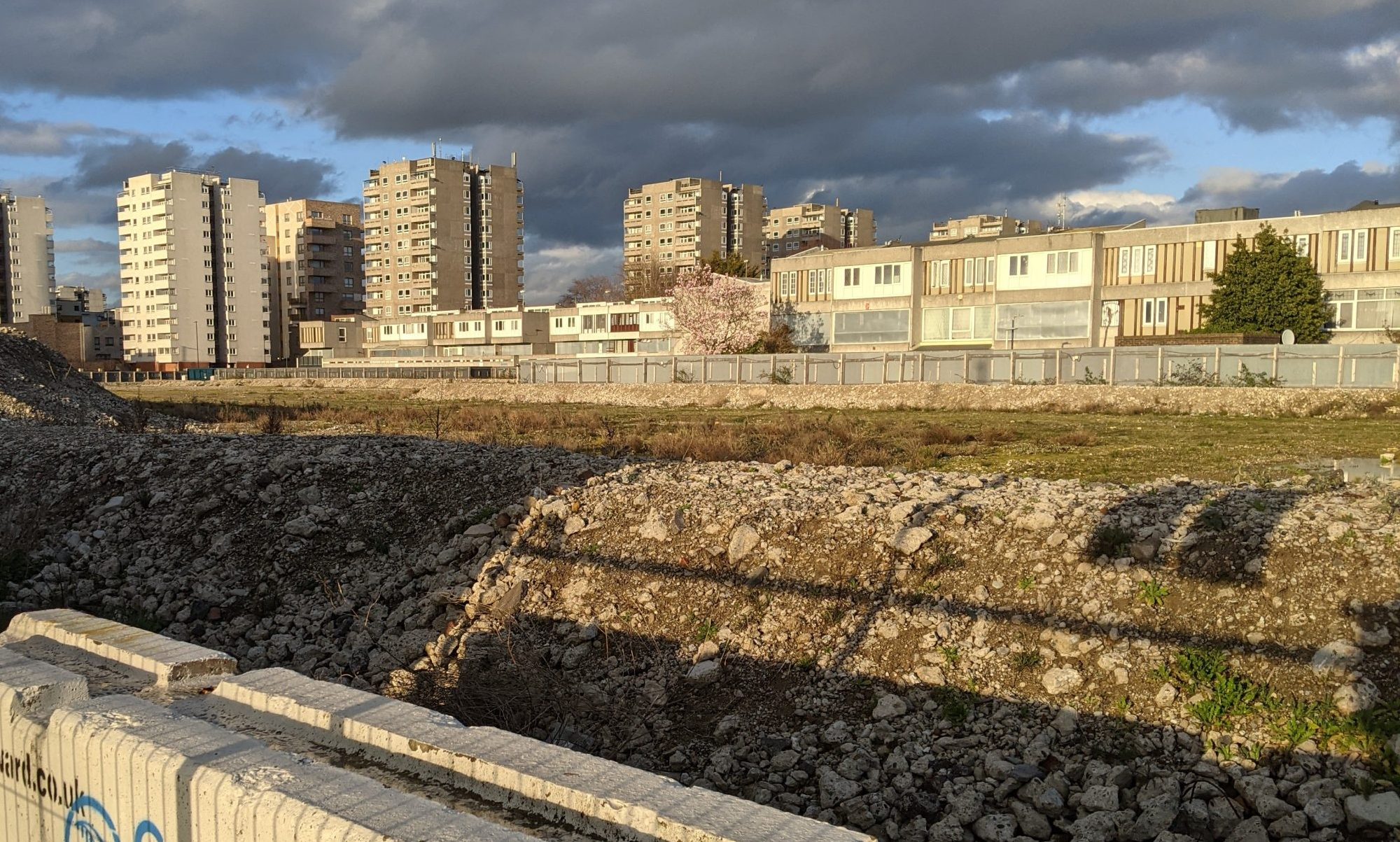
Bexley has seen many plots left long vacant under the control of Peabody while the council’s own BexleyCo developments have often ignored the provision of truly affordable housing.
In contrast to Bexley, it’s western neighbour Greenwich borough topped the list last year with 608 starts though even that positive news could be short lived. The council’s nascent Greenwich Builds programme which sees many new council homes built is now being cut back.

In recent months the plug has been pulled with the council now looking to partner with private developers rather than build outright on public land. That model has not been a great success in the past.
Section 106
In recent decades Housing Associations as Registered Providers would partner with private developers to take on the “affordable” housing component via Section 106 agreements. Yet Housing Associations have also pulled back heavily on building or partnering with private developers.
Greenwich are looking to partly step into that breach – yet given severe housing problems that’s hardly going to address the issue alone. What’s needed is for Housing Associations to resume partnerships with developers alongside councils AND both HA’s and councils building on public land alongside other public bodies such as Transport for London.
The either/or we currently see is not getting close to solving the issue as evidenced by the vast increases in cost to the taxpayers as ever more billions heads to private landlords and temporary providers from both councils and central government.
There’s no magic wand and a whole number of measures need to be addressed and undertaken together rather than plate spinning and shifting limited funds from one place to another.
Across London the target for new home starts under the 2021-26 Affordable Homes Programme has this week fallen to 17,800 to 19,000 from a previous, already less than adequate 23,900 and 27,100. Before that it was 35k a year. A total of 183,000 people in London are currently in temporary accommodation.
Bexley’s issues
One of Bexley’s biggest problems is that Peabody have been extremely slow to start building across south Thamesmead near Abbey Wood Elizabeth line.

In 11 years since taking over from Gallions Housing Association just one phase of seven is complete. Phase two is underway and currently more than two years late. At current levels of progress south Thamesmead won’t complete until the 2040s – and that doesn’t even factor in North Thamesmead where Peabody control yet more land but havn’t built a thing.
Peabody’s chief exec is leader of the G15 which comprises large housing associations. They’ve blamed issues such as increased regulation such as the second staircase rule on tall buildings, inflationary pressure on build costs and a lack of grant funding from central government for slow progress. The organisation has been lobbying for increased funding, stating “Affordable housing is critical national infrastructure – HMT should consider it as such.”
However Peabody in Thamesmead took over land quite some years before covid hit and subsequent inflation and regulatory changes. The reasons given by G15 – correct as they are on a wider level for low build rates – cannot alone explain such glacial progress in Thamesmead.
They’re spread far too thinly for such a substantial area and constant mergers have hardly helped focus minds.
Funding
So what happens now?
For all the soundbites and talk this Labour government have barely started to even start to address the crises known during 14 years of opposition. Big speeches by Rachel Reeves post-election, the Labour manifesto pre-election and then the Budget have left much wanting.
Funding for “affordable” homes nationally is via the Affordable Housing Programme, of which part is given to the Mayor of London to spend via grants to boroughs. This is mainly how Greenwich Builds grew to begin building new council homes in recent years.
The latest Affordable Housing Programme runs between 2021 and 2025 when the Conservatives allocated £11.5 billion nationally. Of that £4.1bn was for London. Rises in inflation have seen that money go less year by year while Labour’s top-up announcements since the election barely keep up with inflation.
Failing targets
Government agreeing to reduce GLA targets again this week after the latest dismal numbers again shows what a sham targets often are. This government may have a 1.5 million target nationally but London has never met its target – and government now agree it can be reduced yet further.
In terms of future funding so far the only announced amount for 2026/27 after this existing round of the AHP ends is £2bn – which is a drop from prior Tory levels. It’ll take a substantial increase at the upcoming Spending Review to even begin to turn the tide.
London’s Deputy Mayor for Housing Tom Copley this week blamed the “horrendous legacy of the last government” which doesn’t explain the new government’s feeble start in addressing the problem, minimal extra investment and basic tinkering after almost a year in power.
True, the last government’s annual funding was far from what’s needed which makes it odd this government have done little to substantially increase it since taking power.
Costs in London
Meanwhile housing costs to London councils have risen to £1.6 bn a year and nationally the housing benefit bill – often assisting people paying extremely high private rents – has topped £30bn a year and heading towards £35bn annually by 2028.
It’s a fallacy to think that not funding new homes saves money when the result is ever more billions spent annually to deal with the impact of not building new homes. That’s what we’ve seen since the plug was pulled on new social homes on a wide-ranging basis nationally from the 1980s.
Whilst most UK housing funding went towards building new homes and providing assets for the nation and secure housing, now it goes to supporting people paying high private rents in insecure housing.
Against this backdrop of minimal new social homes and meagre funding for newbuilds ever more flows to private landlords and providers of temporary housing – which is often dismal quality and offers tenants little security.
All eyes are now are on the upcoming Spending Review. If Labour blow it and again allocate barely any increase for new housing we’ll simply see costs on councils continue to rise, homelessness rocket while the housing benefit paid by central government goes up by the billions.

